How to Diagnose Common AC Problems Before Calling an Expert
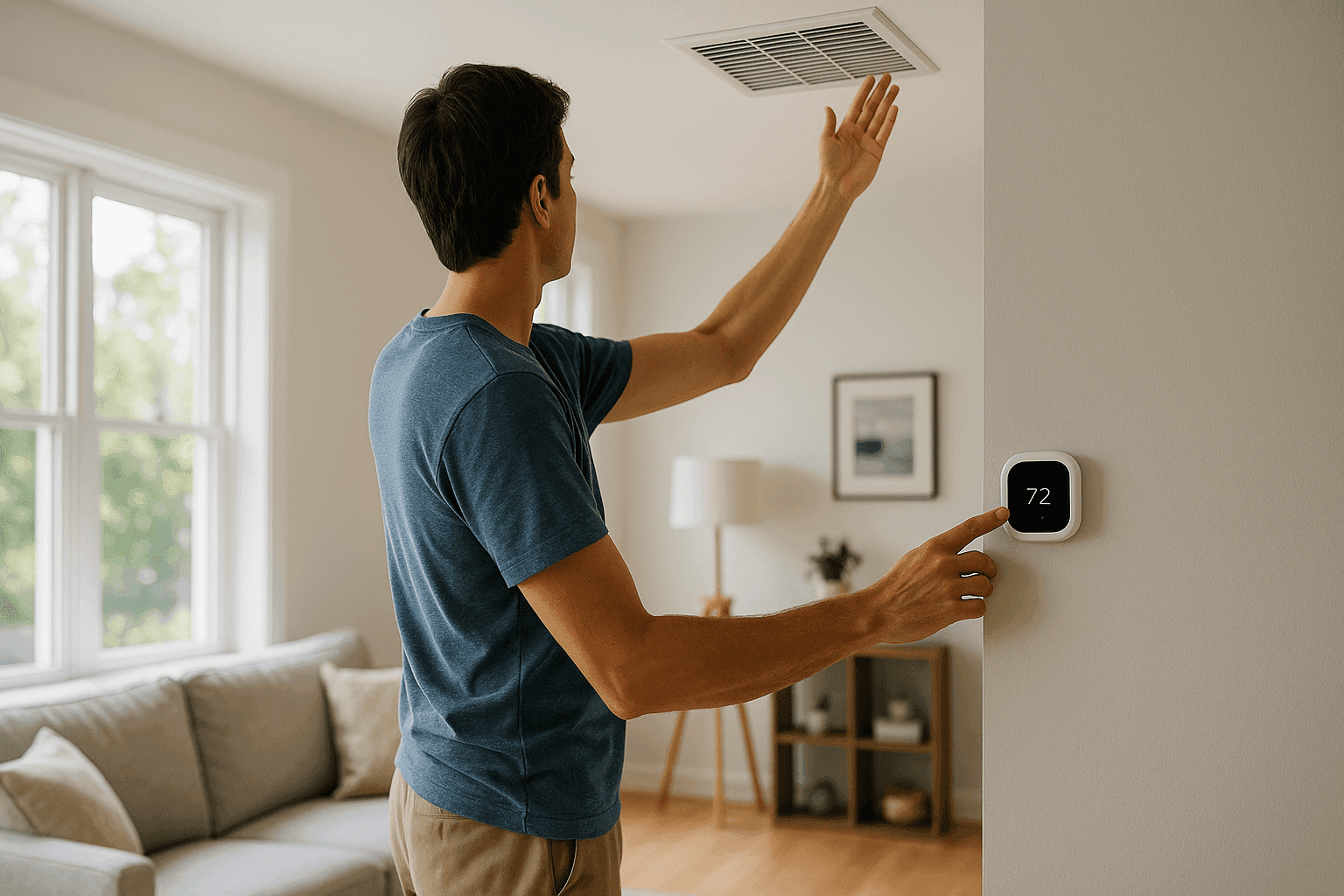
Is your AC acting up right as the heat hits its peak? You’re not alone. Every summer, phones ring off the hook with calls for emergency HVAC repair and AC installation near you. But before you join the rush, a little know-how can help you spot—and sometimes solve—common AC problems without breaking a sweat.
At Daisy HVAC, we know how stressful it feels when your comfort system lets you down. That’s why we’re sharing real-world tips to help homeowners, renters, and property managers get ahead of the game. Let’s break down the most frequent AC issues, what you can check yourself, and when it’s time to call in a pro.
No Cooling: When AC Blows Warm Air
Few things are more frustrating than expecting a blast of cool air and feeling a lukewarm draft instead. If your air conditioner isn’t cooling, here’s where to start:
DIY Checks for No Cooling
- Thermostat Settings: Make sure it’s set to “cool” and the temperature is several degrees below room temp. Sometimes, the small things make the biggest difference.
- Power Supply: Check that the unit is plugged in and the breaker hasn’t tripped. A quick trip to your electrical panel can save you hours of discomfort.
- Air Filter: A clogged filter is like a closed throat—air can’t get through. Swap it for a fresh one if it looks dirty.
- Outdoor Unit: Look for debris, leaves, or ice buildup around the condenser. Gently clear any blockages.
When to Stop and Call a Pro
If your AC still refuses to cool, stop here. Low refrigerant, compressor problems, or electrical issues are best handled by a certified HVAC technician. Trying to “wing it” with these parts can quickly turn a small fix into a big headache.
Weak or Limited Airflow
Sometimes your system is running, but barely a breeze makes it out the vents. This can make your living space feel stuffy and unevenly cooled.
DIY Checks for Weak Airflow
- Vents and Registers: Make sure all supply and return vents are open and unblocked by furniture or drapes.
- Filter Again: Yes, filters matter this much—check it again if you haven’t changed it in a couple of months.
- Fan Setting: Confirm your thermostat’s fan setting. “Auto” works best for most homes; “On” can sometimes mask issues by running the fan when the AC isn’t cooling.
- Ductwork: Peek at any visible duct sections for signs of disconnects or crushing.
When to Call Daisy HVAC
Persistent weak airflow often points to bigger issues: blocked ducts, failing blower motors, or even poorly balanced air systems. These need expert tools and know-how.
Strange Noises: Bumps, Whines, and Rattles
Your AC shouldn’t sound like a popcorn machine or a haunted house. Odd noises are your system’s way of crying out for attention.
What You Can Listen For
- Rattling: Loose panels or screws.
- Buzzing or Humming: Electrical issues or failing motors.
- Squealing: Worn belts.
- Banging or Clanking: Broken parts inside the compressor.
What You Can Safely Check
- Secure any loose screws on access panels.
- Remove obvious debris from around the outdoor unit.
Stop and Call If...
If the noise is persistent, loud, or you smell burning plastic or see sparks, shut the system off immediately and call Daisy HVAC. These are warning signs of potential electrical or fire hazards.
Water Leaks or Moisture Around the Unit
Seeing water or moisture can be alarming. Small drips may just be condensation, but puddles or persistent leaks spell trouble.
Quick Checks for Leaks
- Drain Line: Is the condensate drain line clogged? A gentle vacuum with a wet/dry shop vac can sometimes clear a blockage.
- Pan: Check for cracks in the drain pan under your indoor unit.
When to Get Help
If water keeps pooling, you risk mold, water damage, or even electrical shorts. A professional can safely clear blockages, replace broken pans, and check for refrigerant leaks.
AC Won’t Turn On
Sometimes the system refuses to start at all—no hum, no fan, nothing.
DIY Checklist
- Breaker: Check your electrical panel for tripped breakers.
- Thermostat Batteries: Weak or dead batteries can make the system unresponsive.
- Emergency Shut-Off: Some systems have a switch near the indoor unit—make sure it’s on.
When to Call the Pros
If you’ve checked power and the system remains silent, avoid poking around inside panels. Electrical components can be hazardous. Let a licensed HVAC technician diagnose and repair the problem.
Quick Safety Checklist ⚡
- Always turn off power at the breaker before inspecting inside the unit.
- Never attempt to access or refill refrigerant—EPA guidelines require certification.
- If you smell burning plastic, see smoke, or hear popping sounds, evacuate and call for emergency HVAC service immediately.
- Use a sturdy step stool or ladder—don’t risk a fall.
- If you’re unsure, stay safe and call Daisy HVAC.
DIY vs. Call a Pro
Knowing when to roll up your sleeves and when to pick up the phone can save you time, money, and frustration.
DIY Is Okay For:
- Changing or checking air filters.
- Resetting breakers.
- Inspecting visible ductwork for blockages.
- Cleaning debris around the outdoor unit.
Call Daisy HVAC For:
- Electrical issues.
- Refrigerant leaks or low refrigerant.
- Persistent or worsening problems after basic checks.
- Any situation involving burning smells, smoke, or water damage.
Remember, your AC is a complex machine. Like a car engine, some problems are best left to the folks with the training and tools.
What Pros Do On Arrival
When you call Daisy HVAC, here’s what you can expect from a professional visit:
- Thorough Inspection: We check thermostat settings, electrical connections, refrigerant levels, and all moving parts.
- Diagnostic Tools: Technicians use meters, gauges, and airflow sensors to pinpoint the problem—no guesswork.
- Safe Repairs: Following manufacturer guidelines and local code, we repair or replace only what’s needed.
- Test and Explain: We make sure your system runs smoothly before we leave, and explain what was fixed in plain language.
Prevention & Maintenance Tips
Preventing AC breakdowns starts with routine care:
- Change your air filter every 1–3 months.
- Keep outdoor units clear of leaves, grass, and debris.
- Schedule seasonal HVAC maintenance to catch small issues early.
- Set your thermostat at a moderate temperature to avoid overworking the system.
- Ask about home energy audits to spot insulation or airflow problems.
The U.S. Department of Energy recommends annual HVAC tune-ups to maximize efficiency and lifespan.
Costs & Time Factors
Every repair is different, but here’s a general idea:
- Minor Fixes: Changing filters, clearing drains—often quick and affordable.
- Major Repairs: Electrical or refrigerant issues may take several hours and require parts.
- Emergency Service: After-hours or weekend calls can cost more, but sometimes waiting isn’t safe.
Remember, early diagnosis and regular maintenance can help keep costs down in the long run.
When It’s an Emergency 🚨
Some AC issues can’t wait. Call Daisy HVAC immediately if you notice:
- Burning smells, smoke, or sparks.
- No power on a dangerously hot or cold day.
- Large water leaks near electrical panels.
- Loud, sudden noises followed by system shutdown.
Your safety comes first—don’t risk it.
FAQ: Common AC Troubleshooting Questions
How often should I change my AC filter?
Every 1–3 months, depending on dust, pets, and usage.
Is it normal for my AC to run nonstop?
No. Continuous operation usually signals a problem: dirty filter, refrigerant loss, or undersized system.
Why does my AC smell musty?
This often means there’s mold or bacteria in the drain line or filter. Clean or replace promptly.
Will a smart thermostat help?
Yes, programmable or smart thermostats can improve efficiency and comfort with proper setup.
Local & Seasonal Considerations
Whether you’re cooling a small condo or a sprawling commercial property, AC performance often dips during peak heatwaves or pollen season. Pollen and dust can clog filters faster, while extreme temperatures put extra strain on older systems.
For both residential and commercial customers, spring and fall are ideal times for HVAC maintenance. Don’t wait for the first heatwave—get ahead and stay comfortable.
If your AC still isn’t behaving—or if you need fast, professional help—Call Daisy HVAC now — or reach us anytime at 855-819-5552 .