HVAC Maintenance Checklist: Keep Your System Running Year-Round
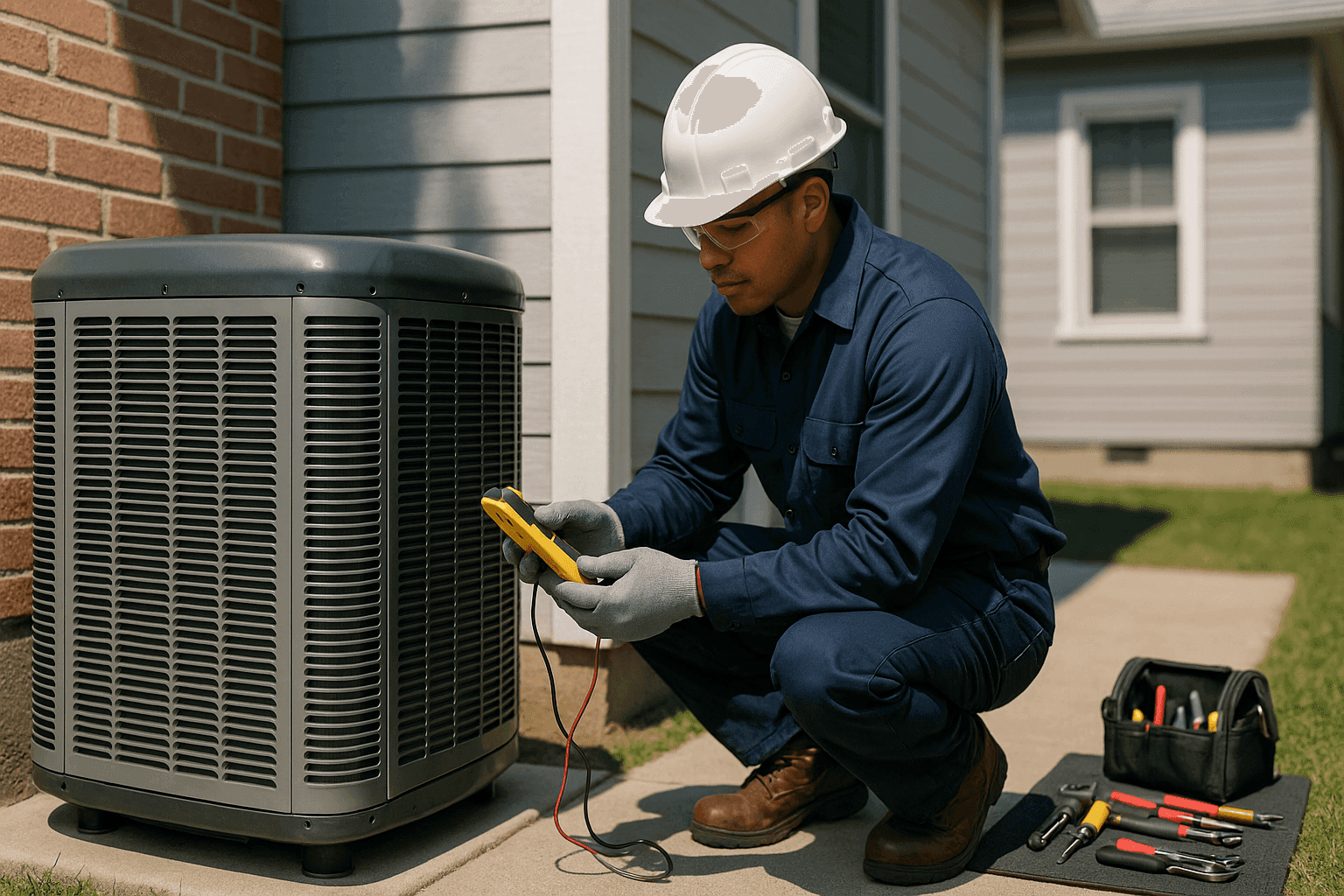
Feeling a little too hot or too cold inside lately? Maybe your home’s air feels stale, or your business’s energy bills are climbing higher each month. That’s your HVAC system talking—and it pays to listen.
At Daisy HVAC, we’ve seen small maintenance steps make a massive difference. Neglect, on the other hand, leads to surprise breakdowns, lost comfort, higher costs, and sometimes even voided warranties. Here’s your easy, actionable guide to keeping your system healthy all year long.
Why Regular HVAC Maintenance Matters
Your HVAC does more than blow hot or cold air. It’s the lungs of your space—circulating, cleaning, and conditioning the air you breathe. When neglected, it can start wheezing, straining, and eventually breaking down.
Poor maintenance is a top cause of HVAC failure according to the U.S. Department of Energy. It shortens equipment life, spikes your utility bills, and can even risk your indoor air quality. For businesses, the stakes are higher: lost productivity, unhappy tenants, and costly emergency calls.
Think of regular maintenance like brushing your teeth. Skip it, and you won’t notice right away…but the problems add up.
Quick Safety Checklist 🛡️
Before you begin any maintenance, safety first. Whether you’re a homeowner, property manager, or business owner:
- Always turn off power at the circuit breaker before opening any HVAC equipment.
- Wait for moving parts (like fans or belts) to stop fully before touching anything.
- Wear gloves and a mask if cleaning filters, vents, or ducts—dust and debris can be a health hazard.
- Never open gas lines or electrical panels unless you’re qualified.
- Keep children and pets away from work areas.
- If you smell gas or burning, leave the area and call for help immediately.
DIY vs. Call a Pro: Know Your Limits
There’s a lot you can do to keep your HVAC running well, but some things are best left to licensed professionals.
What You Can Do Yourself
- Change air filters monthly or as recommended.
- Clear debris from around outdoor AC units.
- Check thermostat batteries and settings.
- Vacuum vents and registers to keep airflow clear.
- Listen for odd noises—squeaks, rattles, or grinding sounds.
When to Call Daisy HVAC
- Annual inspections: A pro will catch issues you can’t see.
- Duct cleaning: Deep cleaning requires special tools and safety know-how.
- Refrigerant checks: Handling refrigerant is regulated for safety and the environment.
- Complex repairs: Anything with wiring, gas, or complex parts should be handled by a technician.
Remember, the National Fire Protection Association (NFPA) and manufacturers often require professional maintenance to keep warranties valid.
What Pros Do On Arrival
Ever wondered what goes on during a service call? Here’s a peek behind the scenes:
- Inspect and test: We examine all working parts—motors, belts, fans, electrical connections.
- Clean critical components: Coils, burners, blowers, and condensate drains.
- Check refrigerant levels: Too much or too little can kill efficiency and shorten compressor life.
- Test safety controls: Carbon monoxide, gas leaks, emergency shutoffs.
- Airflow measurements: We balance systems for even comfort.
- Review system diagnostics: Modern systems have sensors and codes that help track hidden problems.
These steps follow industry guidelines from organizations like ASHRAE (American Society of Heating, Refrigerating and Air-Conditioning Engineers) and local building codes.
Prevention & Maintenance: Your Year-Round Checklist
Keeping your HVAC healthy doesn’t have to be a mystery. Here’s what to do, season by season:
Monthly: All Year
- Replace or clean air filters: Dirty filters restrict airflow and force your system to work harder.
- Inspect thermostat settings: Make sure schedules match your routine.
- Check vents and grills: Vacuum dust and make sure furniture isn’t blocking airflow.
- Listen and look: Odd noises, leaks, or hot/cold spots are early warning signs.
Spring: Get Ready for Cooling
- Clear debris from around outdoor AC units.
- Inspect insulation on refrigerant lines.
- Test the AC: Run a test cycle before the first heat wave.
- Check drain pans and lines: Prevent clogs that lead to water damage.
Summer: Keep It Cool
- Monitor performance: Is it taking longer to cool? Are some rooms warmer than others?
- Inspect outdoor units monthly for grass, leaves, or nests.
- Consider a tune-up: Professional AC Maintenance ensures top performance during peak demand.
Fall: Prep for Heating
- Change filters before first furnace use.
- Inspect burners and blowers: Look for dust or corrosion.
- Test carbon monoxide detectors.
- Check pilot lights (if applicable).
- Schedule Furnace Installation or tune-up if your system is aging.
Winter: Stay Warm & Safe
- Listen for new noises: Squeals or bangs may mean worn parts.
- Monitor performance: Uneven heating or rising bills signal trouble.
- Keep vents clear: Don’t block with furniture or rugs.
- Check humidifiers/dehumidifiers: Adjust for dry winter air.
Annual: Professional Services
- Full HVAC inspection: Catches issues before they become emergencies.
- Duct cleaning and air balancing: Keeps air fresh and comfort even.
- IAQ testing (Indoor Air Quality): Especially for allergy sufferers or businesses.
- Generator maintenance: Critical for homes and businesses reliant on backup power.
- Home energy audit: Finds heat loss, drafts, or insulation gaps.
Commercial Properties: Go Further
- Regular filter changes (often monthly or more).
- Quarterly professional maintenance: High-traffic spaces need more attention.
- System scheduling: Use programmable thermostats and zoning for efficiency.
- Record-keeping: Log maintenance visits and repairs for compliance and warranties.
Costs & Time Factors: What to Expect
Maintenance is an investment—one that pays for itself in fewer breakdowns and longer equipment life.
- DIY filter changes: Just minutes, a few dollars each.
- Professional tune-ups: Usually 1–2 hours, scheduled at your convenience.
- Duct cleaning: Can take several hours, depending on property size.
- Major repairs: Vary widely. Fast attention can prevent costly swaps.
A well-maintained system can last 15–20 years. A neglected one might fail in half that time.
When It’s an Emergency 🚨
Some warning signs mean you should call Daisy HVAC immediately:
- No heat or AC during extreme weather.
- Burning smells or smoke.
- Gas leaks (rotten egg smell).
- Electrical sparking.
- Water leaks near electrical components.
- Repeated tripped breakers on HVAC circuits.
Don’t wait—damage can escalate fast, and safety comes first.
FAQ: What Homeowners and Businesses Ask Most
How often should I change my HVAC filter?
Most filters should be changed every 1–3 months. If you have pets, allergies, or high traffic, change them more often.
Can I skip regular maintenance if my system seems fine?
Running “fine” now doesn’t mean it’s healthy. Hidden issues can build up, and skipping maintenance may void your warranty.
What’s the difference between residential and commercial HVAC maintenance?
Commercial systems are often larger, run longer hours, and need more frequent checks. Documentation is also more critical for compliance and insurance.
How do I know if my air ducts need cleaning?
If you see visible dust, mold, or notice musty odors, it’s time. Allergy symptoms or unexplained heating/cooling issues are also red flags.
Local & Seasonal Considerations 🌦️
Weather swings demand different things from your HVAC. In humid climates, dehumidifiers and air scrubbers fight mold and moisture. In dry regions, humidifiers keep air comfortable. Cold winters mean furnaces and radiant heating need close attention, while hot summers highlight the importance of a tuned AC.
For commercial spaces, consider occupancy patterns—open hours, tenant turnover, or special-use rooms all affect your maintenance plan. Always follow local building codes and manufacturer instructions (see ANSI/ASHRAE Standard 180 for commercial maintenance guidance).
Give your HVAC the attention it deserves—your comfort and wallet will thank you. For professional tune-ups, emergency repairs, or help with anything from AC Installation near you to full system upgrades, Daisy HVAC is ready to help.
Call Daisy HVAC now — or reach us anytime at 855-819-5552 .