Whole-House Air Quality: Solutions for Healthier Living
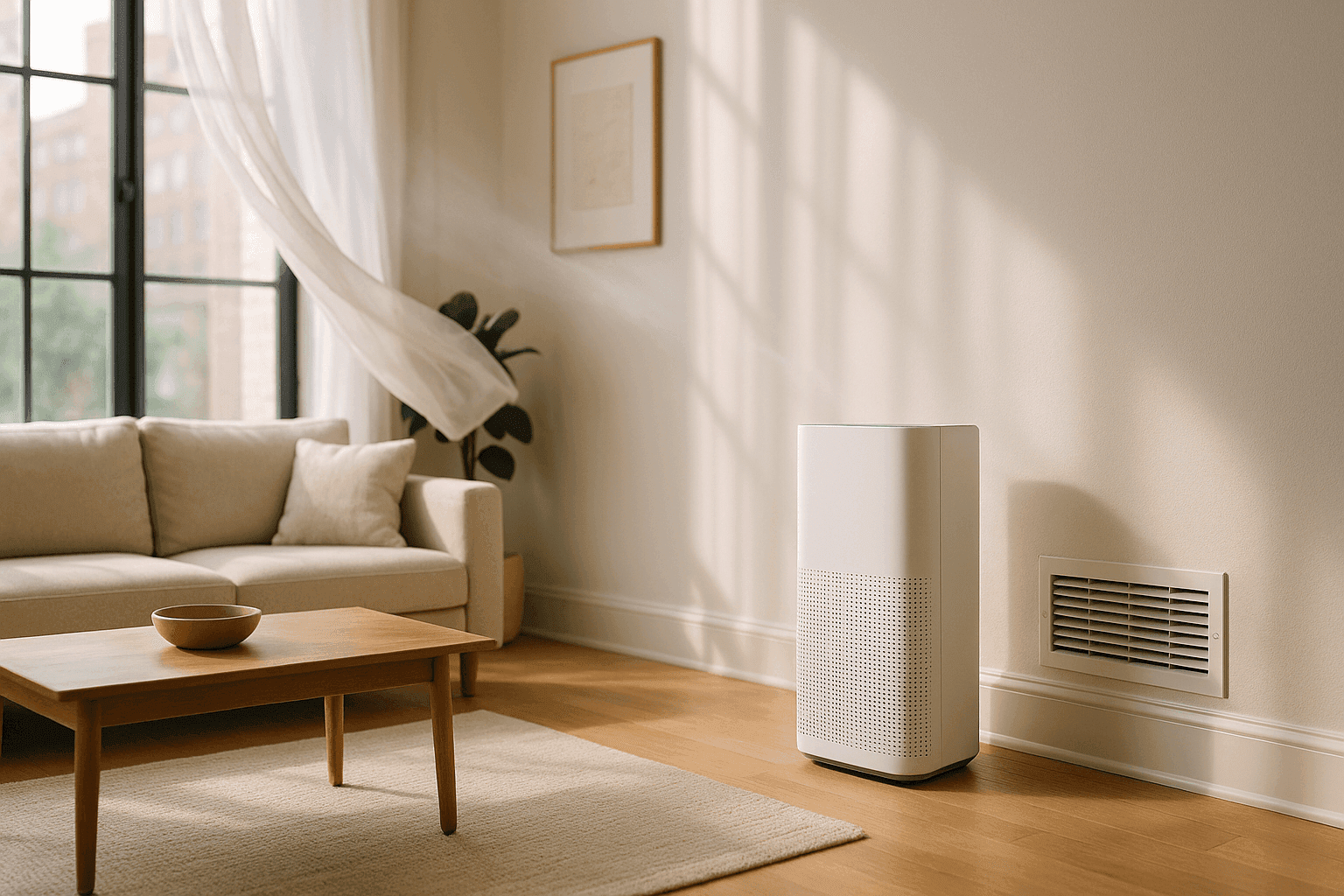
Is your home’s air as fresh as you think? Most of us spend nearly 90% of our lives indoors, breathing air that may be dirtier than a city street after a rainstorm. Invisible threats—dust, pollen, chemicals, and mold—can quietly build up, affecting health, comfort, and even productivity.
At Daisy HVAC, we know a little prevention beats a pound of cure. Let’s break down where indoor air pollution comes from, how to spot it, and the real-world solutions you can use to clear the air for everyone under your roof.
The Real Culprits: What’s Polluting Your Indoor Air?
Imagine your home or business as a fish tank. If the water gets cloudy, the fish struggle. Your indoor air is the same. Common sources of poor indoor air quality (IAQ) include:
- Dust and Pet Dander: These tiny particles float everywhere, settling on surfaces and in AC vents.
- Volatile Organic Compounds (VOCs): Released from paint, cleaning agents, new furniture, and even printers.
- Mold and Mildew: Thrive in damp, dark spaces—think basements, attics, or inside ductwork.
- Allergens: Pollen, spores, and even pest droppings can trigger asthma and allergies.
- Carbon Monoxide and Combustion Gases: From stoves, furnaces, or attached garages.
According to the U.S. Environmental Protection Agency (EPA), indoor air can be two to five times more polluted than outdoor air. The American Lung Association warns that poor IAQ can worsen asthma, trigger respiratory infections, and even affect concentration and mood.
Quick Safety Checklist 🛑
Use this checklist to spot IAQ trouble before it grows:
- Musty odors? Might mean hidden mold or stagnant air.
- Visible dust on vents or furniture? Signals poor filtration or dirty ducts.
- Condensation on windows or walls? High humidity can breed mold.
- Family or coworkers sneezing, coughing, or having headaches indoors? Air could be the culprit.
- Recent renovations or new furniture? Watch for VOCs off-gassing for several months.
- Stale air or uneven temperatures? Points to poor ventilation or air balancing.
If you tick off more than one, it’s time to dig deeper.
DIY vs. Call a Pro: When to Take Action
Roll up your sleeves—or pick up the phone? Here’s how to decide:
What You Can Do Yourself
- Vacuum and dust regularly: Use a HEPA-filter vacuum for best results.
- Change HVAC filters: Every 1–3 months, more often if you have pets or allergies.
- Keep humidity in check: Use a hygrometer; aim for 30–50% humidity.
- Open windows: When outdoor air quality is good, let your space breathe.
- Address leaks fast: Fix any water issues to stop mold before it starts.
- Use low-VOC products: Paints, sealants, and cleaners.
When to Call Daisy HVAC
- Persistent odors or visible mold: Professional remediation and duct cleaning may be needed.
- Frequent allergy or asthma flare-ups indoors: Time for IAQ testing.
- HVAC system not keeping you comfortable: Poor airflow or air balancing could be at fault.
- Old or failing HVAC equipment: Upgrades or repairs can improve both air quality and efficiency.
- Considering AC Installation near you, or whole-home solutions: Professional design ensures you get the right fit.
What Professionals Do On Arrival
So, what happens when you call in the pros? Here’s a peek behind the scenes:
Comprehensive IAQ Testing
Using professional-grade monitors, the technician checks for:
- Particulate matter (PM2.5 and PM10)
- VOC levels
- Carbon monoxide and carbon dioxide
- Humidity and temperature swings
Inspection of HVAC and Ductwork
A thorough look at:
- Air filters (Are they the right MERV rating? Are they clogged?)
- Duct cleanliness and leakage
- Signs of mold or moisture inside the system
- Airflow imbalances between rooms
Tailored Recommendations
Based on your space, needs, and budget, pros may suggest:
- High-MERV or HEPA Filters: Capture more dust and allergens.
- Air Purifiers or Scrubbers: Remove particles and neutralize odors.
- UV Lights: Destroy bacteria and mold inside the HVAC system.
- Dehumidifiers/Humidifiers: Balance moisture for comfort and health.
- Duct Cleaning: Remove years of built-up debris, pollen, and even bugs.
- Ventilation Upgrades: Add fresh air systems or improve exhaust fans.
All work is done following guidelines from authorities like ASHRAE (American Society of Heating, Refrigerating and Air-Conditioning Engineers) and local building codes.
Prevention & Maintenance: Your Best Defense
Think of indoor air quality as a garden—it needs regular tending. Here’s how to nurture it:
- Change filters on schedule: Set reminders for every 1–3 months.
- Schedule annual HVAC maintenance: Catch issues before they grow.
- Clean ducts every 3–5 years: More often if you have pets, allergies, or recent renovations.
- Test IAQ after major changes: New furniture, flooring, or remodels can impact air.
- Monitor humidity: Install whole-house humidifiers or dehumidifiers if needed.
- Upgrade your thermostat: Smart thermostats help monitor and manage comfort.
- Regularly inspect for leaks and water damage: Especially in basements, attics, and around windows.
Costs & Time Factors: What to Expect
No two buildings are the same, but here’s what to keep in mind:
- IAQ Testing: Typically completed in a few hours; pricing varies by scope.
- Air Purifier/Air Scrubber Install: Most units are installed in a half-day.
- Duct Cleaning: For an average home, it takes 3–5 hours.
- Filter Upgrades: Fast and affordable—most can be done during routine maintenance.
- Dehumidifier/Humidifier Install: 2–4 hours, depending on access and wiring.
- Full HVAC upgrades or AC Installation near you: Plan for a day or more, depending on system size.
Investing in IAQ solutions often pays back in energy savings, fewer sick days, and better comfort.
When It’s an Emergency 🚨
Some air quality problems can’t wait:
- Carbon monoxide alarms going off: Evacuate and call emergency services.
- Sudden, strong chemical smells: Could signal a dangerous leak. Get out and call for help.
- Floods or major water leaks: Mold can start growing in as little as 24 hours—act fast.
- HVAC system failure during extreme weather: Impacts both comfort and safety.
Don’t ignore sudden symptoms like dizziness, confusion, or trouble breathing indoors. These could be signs of a serious air quality problem.
Frequently Asked Questions
How do I know if my indoor air is unhealthy?
Often, you’ll notice more dust, lingering smells, or people experiencing headaches, sneezing, or coughing indoors. Professional IAQ testing gives clear answers.
Are portable air purifiers enough?
Portable units help in single rooms, but whole-house air purifiers or scrubbers are best for consistent results—especially in larger homes and businesses.
What’s the best HVAC filter for allergies?
Look for filters rated MERV 11 or higher (HEPA if your system allows). These capture tiny particles like pollen, dust mites, and pet dander.
How often should I clean my ducts?
Most experts, including the National Air Duct Cleaners Association (NADCA), recommend every 3–5 years, or sooner if you see visible dirt, recent renovations, or mold.
Local & Seasonal Considerations
Your region’s climate makes a difference:
- Humid summers? Mold and dust mites thrive—dehumidification is key.
- Dry winters? Add a whole-house humidifier to avoid dry skin and static.
- Spring pollen surges: Change filters more often and consider air scrubbers.
- Wildfire smoke or urban air: High-MERV filters and sealed ductwork protect your indoor spaces.
For businesses, IAQ affects not just health, but also productivity. According to the Harvard T.H. Chan School of Public Health, improved air quality can boost cognitive function and reduce sick days—making maintenance a smart investment year-round.
Breathe easier—make your home or business a place where everyone thrives. Call Daisy HVAC now — or reach us anytime at 855-819-5552 .