Emergency HVAC: What To Do Before Help Arrives
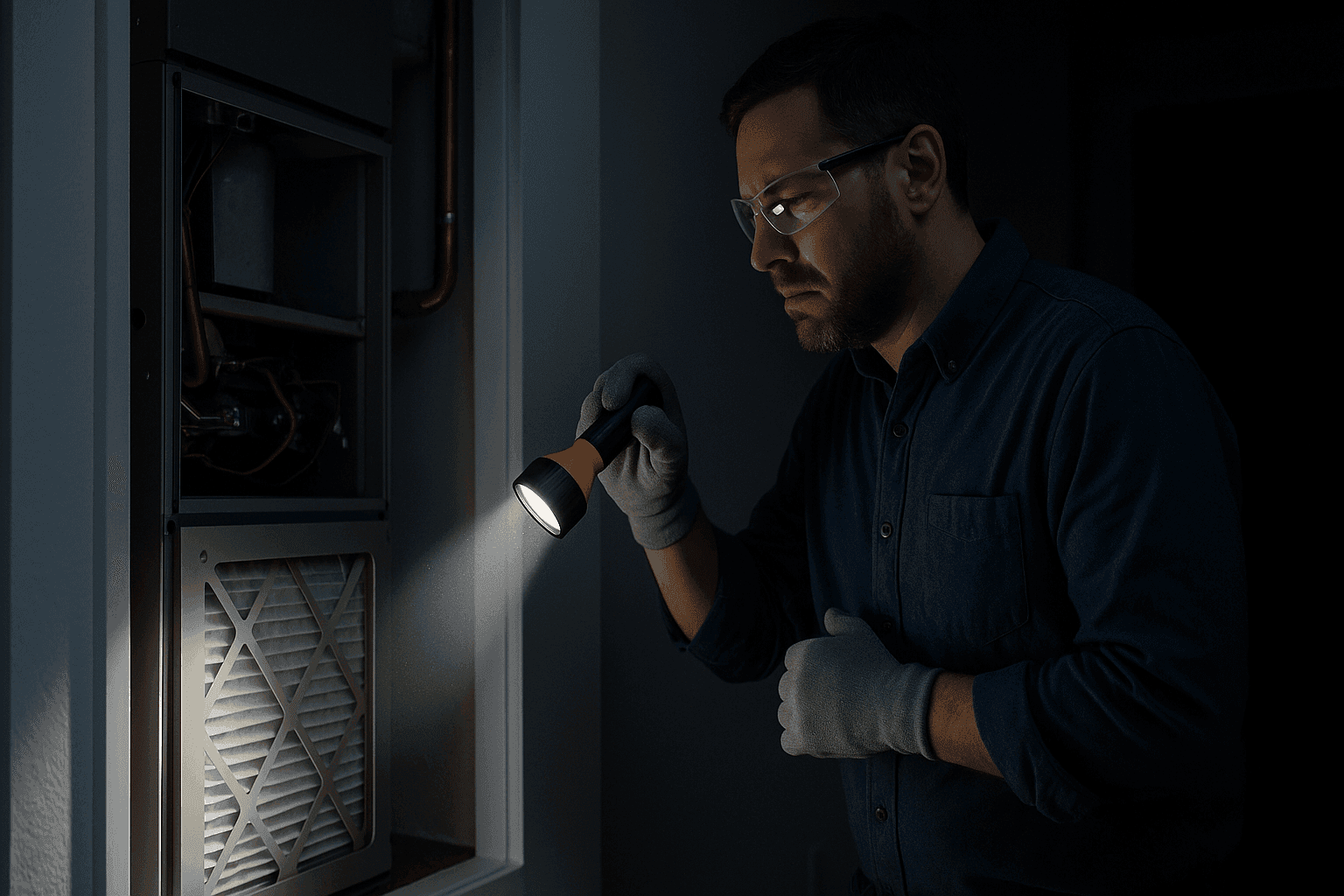
When your HVAC system fails in the dead of winter or the height of a heatwave, anxiety can spike as fast as the temperature. Whether you’re at home with family or managing a busy workplace, an HVAC emergency can feel like your safety net just vanished.
At Daisy HVAC, we know these moments are stressful. Our team responds to residential and commercial calls every day—often in the most extreme conditions. Here’s how to keep calm, stay safe, and know what to do before our technicians arrive.
When the Heat—or Cold—Hits Hard: Recognizing an Emergency
Not every HVAC problem is an emergency. But some situations demand immediate action:
- No heating during a hard freeze (risk of burst pipes)
- AC failure during a dangerous heatwave
- Strange burning smells or smoke from vents
- Unusual electrical sounds (buzzing, popping)
- Unresponsive thermostat and no system power
- Gas odors near your furnace or HVAC equipment
If it feels urgent, it probably is. Prioritize safety over comfort. Don’t wait if you smell gas or see sparks—leave the area and call for help.
Quick Safety Checklist ✅
Stay as safe as possible while you wait for a professional. Here’s what to do right away:
- Turn off the HVAC unit at the breaker if you smell burning, see smoke, or suspect an electrical issue.
- If you smell gas: Shut off the gas supply valve, leave the building, and call emergency services.
- Protect pipes in freezing weather by opening cabinets under sinks and letting faucets drip.
- Keep windows closed in extreme cold; lightly open windows in extreme heat for airflow if safe.
- Clear the area around the unit—remove flammable materials and keep children and pets away.
- Gather your system info: Make/model, last maintenance date, and a summary of what happened.
- Never attempt to relight a pilot light or reset a tripped breaker more than once.
- Use backup power only if you’re familiar with generator safety. Follow manufacturer guidelines and never use portable generators indoors.
These steps can save time, protect your property, and even prevent injury.
DIY or Call a Pro? Knowing Your Limits
It’s tempting to tinker, especially if you’re handy. But HVAC systems are more complex than a leaky faucet. They combine electricity, gas, and moving parts—like a team of acrobats performing in the dark.
Do-it-yourself is usually safe when:
- Changing air filters
- Adjusting the thermostat
- Checking circuit breakers (once)
Call a professional if:
- There’s a gas, electrical, or burning smell
- Water is pooling around the unit
- The system won’t turn on, even after checking the basics
- You hear loud banging, grinding, or hissing
- You see sparks, smoke, or scorched marks
The National Fire Protection Association and local building codes both caution against DIY repairs on gas or high-voltage systems. Your safety—and your property—are worth the wait.
What the Pros Will Do When They Arrive
Our Daisy HVAC technicians always start with a safety check. Here’s what to expect:
- Initial assessment: We’ll ask about the symptoms, listen, and check all major components.
- Test for hazards: Gas leaks, electrical shorts, and overheating parts are our top concern.
- System diagnostics: Using industry-standard tools (like multimeters and leak detectors), we’ll pinpoint the fault.
- Emergency repairs: If it’s safe, we’ll perform immediate fixes to restore basic function or stop further damage.
- Clear explanations: You’ll get a rundown of what failed, why, and what can be done next.
The process follows industry safety standards, including codes from the International Residential Code (IRC) and Occupational Safety and Health Administration (OSHA) guidelines.
Prevention & Maintenance: Staying Ahead of Emergencies
An ounce of prevention really does beat a pound of cure. Here’s how to keep emergencies rare:
- Schedule regular HVAC maintenance twice a year—before summer and winter.
- Replace filters every 1–3 months, or as recommended for your system.
- Keep outdoor units clear of leaves, snow, and debris.
- Test your backup generator monthly if you rely on one.
- Ask for an energy audit to catch hidden problems like duct leaks or poor insulation.
Routine attention can spot issues before they snowball into full-blown emergencies.
Costs & Time Factors: What to Expect
Emergency HVAC calls often come with after-hours surcharges or minimum fees, especially on weekends and holidays. Here’s what affects the timeline and cost:
- Severity & type of failure: Major repairs (e.g., compressor replacement) take longer than minor fixes (like replacing a capacitor).
- Parts availability: Some repairs can be done on the spot; others may need factory parts.
- Access: Rooftop units or hard-to-reach spaces can slow things down.
- Season: During heatwaves or cold snaps, response times might be longer due to high demand.
While we can’t predict every detail, we’ll always communicate transparently and work as quickly as safety allows.
When It’s Truly an Emergency
Sometimes, comfort is less important than safety. Treat these as true emergencies:
- Gas leak or strong gas odor
- Electrical sparks, smoke, or burning smells
- No heat and outside temps below freezing
- No cooling and inside temps above 90°F (especially for children, elderly, or pets)
- Flooding or major water leaks from HVAC equipment
If you’re not sure—err on the side of caution. It’s always better to call and ask.
Frequently Asked Questions
What qualifies as an “HVAC emergency”?
A problem is an emergency when it threatens your health, safety, or property. That includes loss of heat during a freeze, no AC during dangerous heat, strange smells (like burning or gas), or anything involving smoke, fire, or flooding.
Can I use space heaters or window AC units while I wait?
You can, but use with care. Space heaters should be kept at least three feet from anything flammable and never left unattended. Avoid overloading outlets. Window AC units are fine if outlets are safe and you don’t see signs of electrical stress (like flickering lights).
Should I try to reset the system myself?
You can try resetting the thermostat or flipping the breaker once. If it immediately trips or the problem returns, stop and call for help. Repeated resets can cause more damage.
How do I prepare information for the technician?
Write down the symptoms, when they started, and anything unusual (like noises, smells, or weather changes). Note your system’s brand and age, and whether you’ve had recent work done. This helps our team get to the root of the problem faster.
Local & Seasonal Considerations 🧤
Certain times of year make HVAC emergencies more likely—and more dangerous.
- Winter: Frozen pipes, blocked vents, and overworked furnaces are common. If you’re in a snow zone, keep vent and exhaust pipes clear of snowdrifts.
- Summer: AC systems run harder and longer. Power outages and brownouts are more frequent. Make sure your generator (if you have one) is serviced and ready.
- Storm season: Lightning, flooding, and high winds can all cause HVAC failures. After any major storm, check outdoor units for debris or damage and listen for odd noises.
Whether you’re searching for “AC Installation near you” or need a fast furnace repair, Daisy HVAC is always just a call away.
Whatever the emergency, don’t go it alone. Call Daisy HVAC now — or reach us anytime at 855-819-5552 . We’ll guide you safely through the storm.