Home Energy Audits: What to Expect and How They Lower Bills
Is your energy bill higher than your neighbor’s—yet your house feels drafty or your building’s air never seems quite right? You’re not alone. Most homes and businesses have hidden leaks and energy drains. Many folks don’t even realize how much money is slipping through the cracks—literally.
That’s where a professional energy audit from Daisy HVAC comes in. An audit acts like a detective, sniffing out the culprits behind your high bills. Let’s pull back the curtain on what really happens during an energy audit, why it matters, and how it leads to smart, lasting savings.
Why Do an Energy Audit? The Real-World Problem
Running your air conditioning or heat shouldn’t feel like throwing dollar bills out the window. But gaps in insulation, leaky ducts, or outdated HVAC equipment can turn your comfort system into a money pit.
Think of your building as a big bucket. Cracks, holes, and poor insulation are like holes punched in the bottom. No matter how much you pour in—cold or warm air—you’re wasting energy. An audit finds those holes so you can patch them up for good.
Quick Safety Checklist Before Any Audit 🛑
Before anyone starts poking around your HVAC system or electrical panel, safety comes first. Here are a few basics:
- Clear access to your furnace, AC, and electrical panels.
- Make sure pets are secured.
- Point out any areas with known mold, asbestos, or water damage.
- If you use natural gas, let the auditor know about any recent odors or leaks.
- Keep combustibles away from mechanical rooms.
Following these steps helps the Daisy HVAC team—and you—stay safe and efficient.
DIY Energy Audit vs. Calling a Pro
You might be tempted to try a home energy audit yourself. Walk around on a chilly day and feel for drafts—easy, right?
Here’s what you can do without tools:
- Check for obvious gaps around doors and windows.
- Feel walls and ceilings for cold spots.
- Peek at your insulation in the attic.
But there’s a limit to what the naked eye and hand can find. Pros use specialized equipment—like blower doors, duct testers, and infrared cameras—to see what’s invisible. They follow industry standards, such as those outlined by the Building Performance Institute (BPI) and the U.S. Department of Energy.
DIY can spot the basics. But only a certified technician from Daisy HVAC can run the tests that reveal deeper issues, especially when it comes to complex HVAC systems or commercial spaces.
What Happens When the Pros Arrive?
Picture this: Our technician shows up, toolkit in hand, ready to play detective. Here’s what you can expect, step by step.
1. Interview and Walk-Through
We’ll ask about your comfort issues, past utility bills, and any spots that feel drafty or stuffy. This isn’t just small talk—it helps us focus the audit on your real pain points.
2. Blower Door Test
Imagine putting a giant fan in your doorway. We’ll seal up your home, then use the fan to gently pull air out. If air rushes in through gaps, we’ll measure exactly how much is leaking.
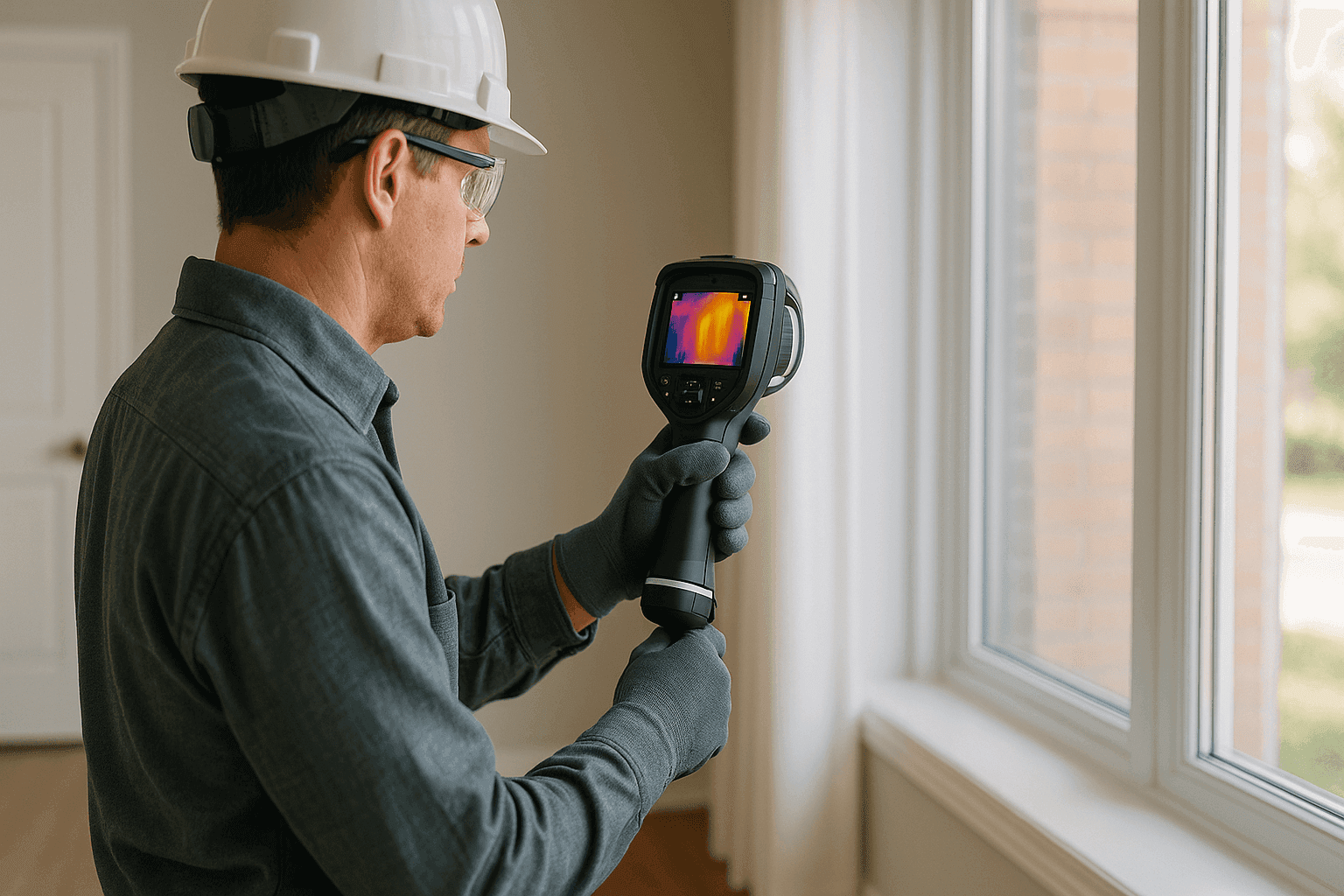
3. Infrared Camera Scan
We use thermal imaging to see where insulation is thin, or where cold and hot spots hide behind walls—like a superhero with X-ray vision.
4. Ductwork Inspection
We check your ducts for leaks with smoke pencils and pressure tests. Even tiny leaks can waste a lot of energy and make your AC or furnace work overtime.
5. Equipment and Filter Checks
Furnace, AC, mini-splits, and filters get a close look. Is your equipment sized right? Are the filters dirty? We check for anything that could be lowering efficiency or air quality.
6. Airflow and Balancing
We measure airflow room by room. If some spaces are stifling while others are freezing, we’ll spot the imbalance.
7. Lighting and Appliances
Older bulbs and appliances can be energy hogs. We tally up their impact for a full picture of your energy use.
After the audit, you’ll get a detailed report, clear recommendations, and a prioritized action list—no guesswork.
Prevention & Maintenance: Keep the Savings Flowing
Energy audits aren’t a one-and-done deal. Keeping up with routine HVAC maintenance is like brushing your teeth—it prevents bigger, costlier problems down the road.
Simple steps include:
- Change air filters every 1–3 months.
- Schedule seasonal tune-ups for your AC and furnace.
- Seal gaps around windows and doors yearly.
- Have ducts inspected and cleaned as recommended.
Following best practices from sources like the American Society of Heating, Refrigerating and Air-Conditioning Engineers (ASHRAE) keeps your system running efficiently and safely.
Costs & Time Factors: What to Expect
Wondering about time and money? Here’s what most homeowners and property managers want to know:
- Time: A typical residential audit takes 2–4 hours. Larger commercial buildings may require a full day or more.
- Cost: Prices vary based on the size of your property and the depth of the audit. Some utilities and local governments may offer rebates or incentives for professional audits—ask us if you qualify.
- Return on Investment: Most people see energy savings within the first year after completing recommended upgrades. The U.S. Department of Energy estimates that sealing leaks and improving insulation can cut heating and cooling costs by up to 20%.
When It’s an Emergency
If you’re experiencing:
- Sudden spikes in energy bills with no clear reason
- Carbon monoxide alarms or gas odors
- Persistent hot or cold zones that signal major HVAC failure
- Water leaks near your furnace or AC
Don’t wait. These could be signs of serious issues requiring immediate HVAC repair or 24-hour emergency service.
FAQ: Your Energy Audit Questions, Answered
How often should I schedule an energy audit?
Every 5–7 years is ideal, or sooner if you’ve noticed big comfort changes, completed renovations, or seen utility bills jump.
Will an audit disrupt my day?
Minimal disruption. You’ll need to be home, but most tests are non-invasive. We’ll need access to your attic, basement, and major appliances.
Can an energy audit help me qualify for rebates?
Yes. Many utility companies require a third-party, certified audit to process rebate or incentive applications. Daisy HVAC provides the documentation you need.
What certifications should an auditor have?
Look for Building Performance Institute (BPI), RESNET, or similar credentials. Daisy HVAC technicians follow industry best practices and maintain up-to-date training.
Local and Seasonal Considerations 🌡️
Your home’s energy needs change with the seasons. In winter, heat loss through attics and windows is the big culprit. In summer, poor insulation and leaky ducts can make your AC work overtime. If you’re in an area with harsh winters or humid summers, scheduling an audit before the extreme weather hits can maximize your savings.
Commercial buildings may have larger, more complex HVAC systems. Regular energy audits help you stay ahead of code requirements and keep tenants comfortable.
Ready to Take the Next Step?
A professional energy audit from Daisy HVAC shines a light on hidden problems and helps you invest your dollars where they’ll have the most impact. Lower bills. Better comfort. Healthier indoor air.
Call Daisy HVAC now — or reach us anytime at 855-819-5552 .